Connecting Communities Through Arts and Innovation
- Created to Create Coalition
- Sep 23, 2025
- 5 min read

Art has a unique power to bring people together. It transcends boundaries and connects individuals from different backgrounds. In today's fast-paced world, the importance of community is often overlooked. However, through arts and innovation, we can foster connections that strengthen our neighborhoods and enrich our lives.
In this blog post, we will explore how arts and innovation can bridge gaps in communities. We will look at specific examples of successful initiatives and discuss how they can inspire others.
The Role of Arts in Community Building
Arts play a vital role in community building. They provide a platform for expression and creativity. When people engage in artistic activities, they often find common ground.
Local Art Projects
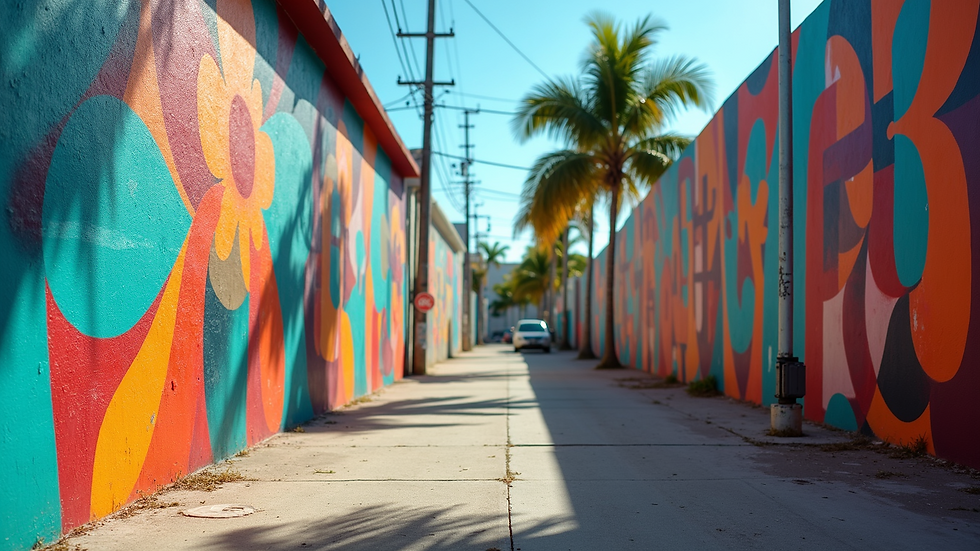
Local art projects can transform public spaces. For instance, community murals can turn dull walls into vibrant canvases. These murals often reflect the culture and history of the area. They invite residents to participate in the creative process, fostering a sense of ownership and pride.
In cities like Philadelphia, community murals have become a hallmark of the urban landscape. Organizations like Mural Arts Philadelphia work with local artists and residents to create stunning pieces that tell the stories of the neighborhoods.
Art Festivals
Art festivals are another way to connect communities. These events bring together artists, musicians, and performers. They create a lively atmosphere where people can share their talents and enjoy the work of others.
For example, the annual Art Walk in Santa Fe, New Mexico, showcases local artists and their creations. Visitors can explore galleries, meet artists, and participate in workshops. This event not only highlights the local art scene but also encourages community interaction.
Innovation as a Catalyst for Change
Innovation is not just about technology; it can also be about new ideas in arts and community engagement. Creative solutions can address social issues and improve the quality of life in neighborhoods.
Technology and Art
Technology has opened new avenues for artistic expression. Digital art, virtual reality, and interactive installations are just a few examples. These innovations can engage a wider audience and create immersive experiences.
For instance, the "Art in the Age of AI" exhibition in San Francisco showcased how artificial intelligence can be used in art creation. This event sparked conversations about the future of art and technology, encouraging collaboration between artists and tech innovators.
Community Workshops
Workshops that combine art and innovation can empower community members. These sessions can teach new skills and encourage collaboration. For example, a community center might offer a workshop on digital storytelling. Participants can learn to create videos that share their personal stories.
Such initiatives not only build skills but also foster connections among participants. They create a supportive environment where individuals can learn from each other.
Case Studies of Successful Initiatives
To illustrate the impact of arts and innovation, let’s look at a few successful initiatives from around the world.
The High Line, New York City
The High Line is a public park built on a historic freight rail line elevated above the streets of Manhattan. This innovative project transformed an unused space into a vibrant community hub.
The park features art installations, gardens, and performance spaces. It attracts millions of visitors each year and has become a model for urban renewal. The High Line demonstrates how innovative thinking can breathe new life into a community.
The Community Arts Center, Chicago
The Community Arts Center in Chicago offers a range of programs that engage residents in the arts. From painting classes to theater productions, the center provides opportunities for creative expression.
One notable program is the "Art for All" initiative, which offers free art classes to underserved communities. This program not only teaches artistic skills but also fosters a sense of belonging among participants.
The Power of Collaboration
Collaboration is key to successful arts and innovation initiatives. When different groups come together, they can create something greater than the sum of their parts.
Partnerships with Local Businesses
Local businesses can play a significant role in supporting arts initiatives. By partnering with artists, they can create unique experiences for customers. For example, a coffee shop might host local musicians for live performances. This not only supports artists but also attracts more customers to the business.
Schools and Community Organizations
Schools can also collaborate with community organizations to promote arts education. Programs that bring artists into classrooms can inspire students and enhance their learning experiences.
For instance, a local theater company might work with a school to produce a play. Students can learn about acting, set design, and teamwork. This collaboration can spark a lifelong interest in the arts.
Engaging Diverse Audiences
To truly connect communities, it is essential to engage diverse audiences. Arts and innovation should be accessible to everyone, regardless of background or experience.
Inclusive Programming
Inclusive programming ensures that all community members feel welcome. This can include offering workshops in multiple languages or providing materials for individuals with disabilities.
For example, a community center might host an art class specifically for seniors. This class can focus on techniques that are easy to learn and enjoyable. By catering to different needs, the center can foster a sense of belonging among participants.
Outreach Efforts
Outreach efforts can help reach underrepresented groups. By actively seeking out diverse voices, communities can create a richer artistic landscape.
For instance, a local arts organization might partner with immigrant communities to showcase their cultural heritage through art. This not only highlights diverse perspectives but also strengthens community ties.
The Future of Arts and Innovation
As we look to the future, the potential for arts and innovation to connect communities is limitless. With the right support and resources, we can create vibrant spaces that foster creativity and collaboration.
Embracing New Technologies
As technology continues to evolve, artists and communities can explore new ways to engage audiences. Virtual reality, augmented reality, and interactive installations can create immersive experiences that captivate and inspire.
Sustainable Practices
Sustainability is becoming increasingly important in the arts. Communities can adopt eco-friendly practices in their artistic endeavors. This can include using recycled materials for art projects or promoting sustainable art forms.
By prioritizing sustainability, communities can not only create beautiful art but also contribute to a healthier planet.
A Call to Action
Connecting communities through arts and innovation is a shared responsibility. Everyone can play a role in fostering creativity and collaboration.
Here are a few ways you can get involved:
Support Local Artists: Attend local art shows, buy artwork, or participate in community events.
Volunteer: Offer your time to local arts organizations or community centers. Your skills can make a difference.
Start a Project: If you have an idea for an art initiative, don’t hesitate to pursue it. Gather a group of like-minded individuals and bring your vision to life.
Advocate for Arts Funding: Support policies that promote arts funding in your community.
By taking these steps, you can help create a more connected and vibrant community through arts and innovation.

Art and innovation have the power to transform communities. They can break down barriers and foster connections that enrich our lives. By embracing creativity and collaboration, we can build a brighter future for everyone. Let us celebrate the arts and the innovative spirit that brings us together.

Comments